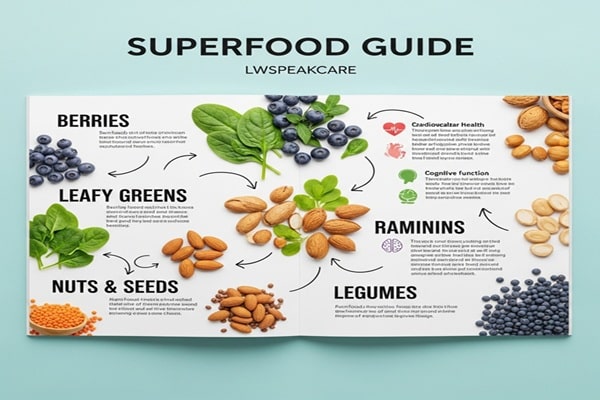
When people look up Superfood Guide LWSpeakCare, they’re usually searching for clarity, not hype. They want to eat better, feel stronger, and stay consistent—without turning every meal into a science project. This guide keeps things practical, friendly, and realistic. No jargon. No miracle claims. Just smart, nutrient-rich foods that actually fit into real life.
By the end of this guide, you’ll know what superfoods truly are, why they matter, how to use them safely, and how to build meals that support energy, immunity, digestion, and long-term wellness—without stress or overspending.
What “Superfood” Really Means (No Myths, Just Facts)
A superfood isn’t a magic ingredient or a cure-all. It’s simply a food that delivers a high amount of nutrients in a relatively small portion.
Think of superfoods as nutrition overachievers. They’re rich in things your body genuinely needs, such as:
-
Vitamins and minerals
-
Antioxidants
-
Fiber
-
Healthy fats
-
Protective plant compounds
For example:
-
Berries are loaded with antioxidants
-
Leafy greens deliver iron, folate, and phytonutrients
-
Fatty fish provide omega-3 fats for heart and brain health
The Superfood Guide LWSpeakCare focuses on balance. These foods work best as part of a varied, whole-food diet—not as shortcuts or replacements for healthy habits.
Nutrition Basics (Quick and Clear)
Before stacking your plate with superfoods, it helps to understand how nutrition works.
Your body relies on:
-
Proteins for muscle repair and immune function
-
Healthy fats for hormones, brain health, and nutrient absorption
-
Carbohydrates for energy, especially from whole sources
Then come micronutrients—vitamins, minerals, and antioxidants that support immunity, digestion, bone health, and cellular repair.
Superfoods stand out because they pack multiple nutrients into fewer calories, helping you feel nourished without overeating. Simple upgrades—like adding spinach to smoothies or seeds to oatmeal—can make a noticeable difference over time.
Benefits vs. Limits: What Superfoods Can (and Can’t) Do
What they help with:
-
Better energy levels
-
Improved digestion
-
Stronger immunity
-
Reduced inflammation
-
Support for heart and skin health
What they don’t do:
-
Instantly fix poor eating habits
-
Replace sleep, movement, or hydration
-
Work overnight
The Superfood Guide LWSpeakCare keeps expectations realistic. Consistency matters more than perfection. A handful of smart choices repeated daily beats chasing every trending ingredient.
Safety First: Allergies, Sensitivities & Interactions
Most superfoods are safe, but awareness is important.
-
Nut allergies? Choose seeds instead
-
Lactose sensitive? Go for plant-based yogurt
-
On medication? Watch foods like grapefruit or excessive green tea
Start small when trying something new, and pay attention to how your body responds. Superfoods should support your health—not complicate it.
Superfoods by Goal (Quick Picks That Make Sense)
Energy & Focus
-
Quinoa
-
Almonds
-
Dark chocolate
-
Green tea
These provide steady fuel without crashes.
Gut Health
-
Yogurt or kefir
-
Sauerkraut or kimchi
-
Bananas
-
Oats
-
Beans
A healthy gut supports digestion, immunity, and mood.
Heart Health
-
Salmon or sardines
-
Olive oil
-
Chia seeds
-
Beans
-
Berries
These help manage cholesterol and support circulation.
Immunity & Inflammation
-
Garlic
-
Turmeric
-
Ginger
-
Citrus fruits
-
Leafy greens
Skin & Hair
-
Avocado
-
Pumpkin seeds
-
Sweet potatoes
-
Tomatoes
-
Nuts
Choose superfoods based on what you need—not what’s trending.
Top 15 Superfoods (Easy Cheat Sheet)
-
Blueberries
-
Kale
-
Spinach
-
Salmon
-
Quinoa
-
Avocado
-
Chia seeds
-
Almonds
-
Green tea
-
Garlic
-
Sweet potatoes
-
Broccoli
-
Dark chocolate (70%+)
-
Greek yogurt
-
Turmeric
Adding just 3–5 of these weekly can noticeably improve energy, digestion, and overall vitality.
Also Read : Sue Straughn Age: Biography, Career, Net Worth, and Lifestyle
Budget-Friendly & Local Swaps (South Asia Friendly)
Superfoods don’t have to be imported or expensive.
-
Blueberries → Guava or papaya
-
Salmon → Sardines or mackerel
-
Quinoa → Millets, brown rice, or oats
-
Almonds → Groundnuts or sunflower seeds
Local, seasonal foods often match—or exceed—the nutrition of expensive imports.
Seasonal & Sustainable Choices
Seasonal foods:
-
Taste better
-
Cost less
-
Retain more nutrients
Buying locally also supports farmers and reduces waste. Sustainability and nutrition go hand in hand.
The LWSpeakCare Plate Method (Simple & Visual)
Build meals using this balance:
-
50% vegetables & fruits
-
25% protein
-
25% whole grains or starch
Add small boosts like seeds, nuts, or olive oil for flavor and nutrition. This method works for breakfast bowls, lunches, and dinners without calorie counting.
7-Day Superfood Meal Plan (Flexible & Realistic)
Day 1:
Oats with chia and fruit · Quinoa salad · Grilled fish with sweet potato
Day 2:
Yogurt with papaya · Chickpea wrap · Lentil soup
Day 3:
Green smoothie · Tuna salad · Chicken and broccoli
Day 4:
Eggs with tomatoes · Millet bowl · Baked sweet potato
Day 5:
Smoothie bowl · Avocado toast · Fish curry
Day 6:
Fruit with kefir · Quinoa veggies · Tofu stir-fry
Day 7:
Oats and banana · Lentil stew · Grilled mackerel
Mix, match, and repeat based on preference.
5 Quick Superfood Recipes (10–15 Minutes)
-
Power Smoothie: Spinach, banana, chia, yogurt
-
Crunchy Salad: Kale, quinoa, nuts, lemon dressing
-
Avocado Toast: Whole-grain bread + seeds
-
Turmeric Soup: Garlic, ginger, sweet potato
-
Dark Chocolate Mix: Nuts + 70% chocolate
Healthy meals don’t need hours in the kitchen.
Superfoods for Different Lifestyles
-
Kids: Yogurt, bananas, oats
-
Students: Nuts, green tea, fruit
-
Busy professionals: Smoothies, overnight oats
-
Seniors: Leafy greens, fatty fish
-
Athletes: Quinoa, beans, salmon
-
Vegans: Chia, hemp seeds, spirulina
Small tweaks make superfoods work for everyone.
Weight Goals: Lose, Maintain, or Gain
-
Weight loss: Leafy greens, berries, chia
-
Maintenance: Balanced plates with protein
-
Healthy gain: Avocados, nuts, olive oil
Portion control and consistency matter more than restriction.
Supplements: When They Make Sense
Whole foods come first. Supplements may help if there’s a confirmed gap—like vitamin B12, vitamin D, or iron. Use them to support, not replace, good eating habits.
Reading Labels & Avoiding Hype
Check labels for:
-
Whole foods listed first
-
Low added sugar
-
Reasonable portion sizes
Ignore buzzwords like “detox” or “miracle.” Nutrition doesn’t need drama.
Common Myths (Quick Answers)
-
Superfoods cure disease? → No
-
Imported is better? → Not always
-
Replace meals? → No
-
Results overnight? → No
-
Kids can eat them? → Yes, in balance
Track Progress the LWSpeakCare Way
Pay attention to:
-
Energy levels
-
Digestion
-
Mood
Simple notes reveal patterns and help you adjust naturally.
Mini Glossary (Plain Language)
-
Antioxidants: Protect cells
-
Probiotics: Good gut bacteria
-
Omega-3s: Healthy fats for heart and brain
-
Polyphenols: Plant compounds that reduce inflammation
Final Thoughts: Keep It Simple, Keep It Consistent
The Superfood Guide LWSpeakCare shows that better nutrition doesn’t require extremes. Start small. Add one or two superfoods each week. Build habits you can keep.
Health grows through everyday choices—and the next one starts with what’s on your plate.